


What Is Blister Packaging? Types, Materials, and Advantages
Discover how premium packaging transforms your brand's perception and drives customer loyalty in today's competitive market.
- The Role and Importance of Blister Packaging - You Need to Explore
- Why Material Choice Matters in Custom Blister Packaging
- Finding the Perfect Fit: Types of Blister Pack Packaging
- Top Reasons to Choose Protective Blister Packaging
- Blister Packaging vs. Standard Packaging: A Quick Comparison
- Wrapping Up: The Right Packaging Choice
Have you ever wondered about the brilliance involved in the packaging of your daily vitamin intake or the recently purchased memory card? Blister packing is truly an amazing creation of the manufacturing industry. It would surprise you to learn that the idea of blister packing dates back to the '60s, where its use was not only protective but also helped keep track of dosages. Today, this packaging style is absolutely everywhere. It is estimated that billions of blister packs are produced every single year to house everything from life-saving medicines to small toys.
In this detailed guide, we are going to unwrap everything to know about blister printed packaging. We will explore what it is, dive into the materials that make it work, look at the different styles available, and discuss why it remains a top choice for manufacturers around the globe. Let’s read.
The Role and Importance of Blister Packaging - You Need to Explore
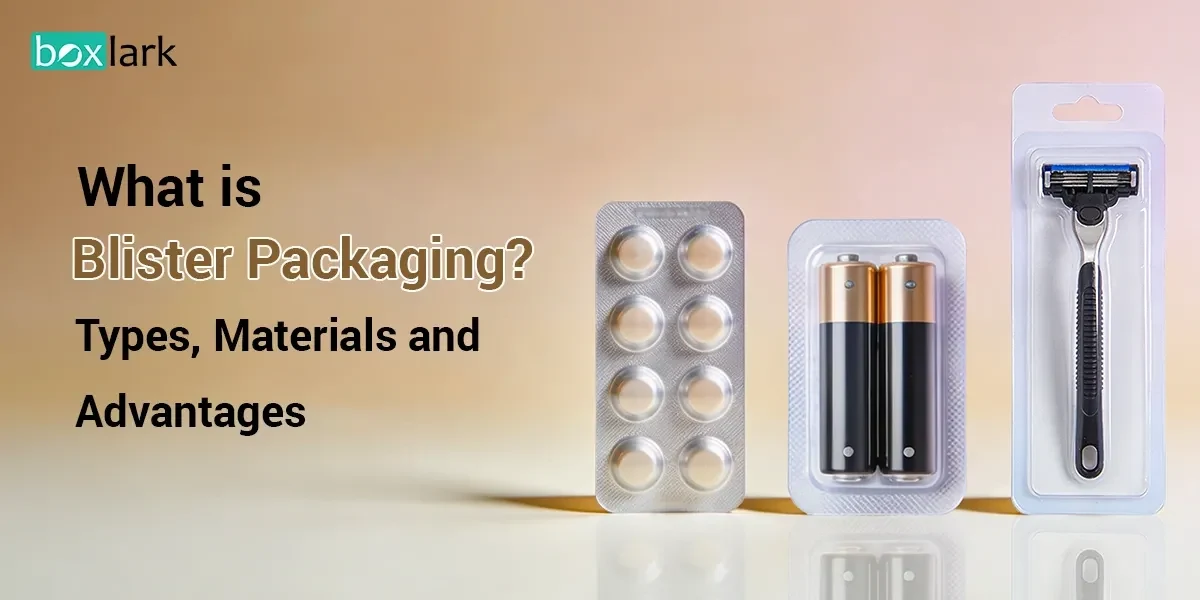
Before we get into the technical details, it is essential to understand what blister packaging actually represents. Simply, blister packaging is a type of pre-formed plastic packaging that is used for small consumer goods, foods, and pharmaceuticals. The primary feature of this packaging is the "blister," which is a cavity or pocket made of plastic that holds the product in place. This cavity is usually sealed to a backing material, which could be paperboard, aluminum foil, or plastic film. This is crucial for the pharmaceutical industry, where hygiene and dosage accuracy are non-negotiable. A blister pack ensures that a pill is never touched by human hands until the moment the consumer pushes it out.
But beyond protection, the importance of blister packaging lies in its ability to sell the product. We are visual creatures. When we shop, we want to see what we are buying. Blister packs turn the product into a display piece. It hangs on a peg and shows off the product inside without risking damage. It also maximizes shelf space by utilizing vertical hanging space rather than flat table space.
Therefore, it keeps medicines safe from moisture and plays a vital role in the journey of a product from the factory to your home.
Why Material Choice Matters in Custom Blister Packaging
You cannot build a house without bricks, and you cannot build a blister pack without the right materials. The choice of material is not random; it depends entirely on what is being packaged. A pack of gum has different needs than a heart medication. The industry generally categorizes these materials into two parts: the "formable" part (the plastic bubble) and the "lidding" part (the back seal).
You cannot use just any plastic; you have to choose a material that fits the product’s specific needs. Does the product need to be protected from light? Does it need a strong barrier against moisture? Is the product heavy or sharp? These questions determine which material is used. The "blister" part is almost always made of plastic, while the "lid" or backing can be plastic, foil, or paper.
To give you a clearer picture of what goes into these packages, here is a table outlining the common materials and where they are best used.
Material Name | Type | Key Properties | Common Uses |
PVC | Plastic (Forming) | Rigid, clear, very cost-effective, and easy to mold | Everyday medicines, chewing gum, and light consumer goods |
PVDC | Coating | A high-barrier coating that blocks moisture and oxygen | Sensitive pills that need protection from humidity |
Aclar | Plastic (Forming) | Crystal clear with the highest moisture barrier among plastics | High-value drugs where visibility and strict safety are needed |
PET | Plastic (Forming) | Strong, impact-resistant, recyclable, and offers great clarity | Medical devices, electronics, and food products |
Aluminum | Lidding / Forming | 100% barrier against light and moisture; opaque and sterile | Pharmaceutical strips and highly sensitive chemical products |
Cold Form Foil | Forming | Aluminum shaped by pressure rather than heat; totally impenetrable | Extremely sensitive biologics and light-sensitive medications |
Tyvek | Lidding | Breathable yet sterile and very strong spunbonded material | Surgical kits and sterile medical instruments |
Keep in mind, choosing the right combination is a balancing act.
If a manufacturer puts a moisture-sensitive pill in a plain PVC blister without a coating, the pill could degrade before the customer even buys it. Conversely, putting a cheap toy in an expensive aluminum blister would make the product too expensive to sell.
What’s the Ultimate Goal? The goal is always to use the material that offers enough protection without driving up the cost unnecessarily.
Finding the Perfect Fit: Types of Blister Pack Packaging
Just as you would not wrap a diamond ring and a brick in the same paper, different products require different custom packaging approaches. The specific type of blister pack chosen is usually based on a few factors:
- Product weight
- Fragility of the item
- Level of protection required against theft
A small battery doesn't need the same heavy-duty pack as an expensive video game. The retail environment also plays a huge role; products hanging on a busy pegboard need a stronger seal than those placed safely on a shelf. Over time, the industry has standardized a few key designs to meet these varying needs. By understanding these types, we can see how manufacturers balance cost with security to get the product into hand in perfect condition.
Face Seal Blister Packaging
This is the classic style you see most often in stores. It has a clear plastic bubble that sits on top of a cardboard card. The plastic is sealed to the front of the card to make a window for the product. It is cheap to make and gives plenty of space on the card for pictures and text. But, this type is mostly used for light things. If the item is too heavy, the plastic might just peel off the cardboard. You will often find this used for things like batteries, pens, toothbrushes, and small toys.
Full-Face Seal Packaging
This design offers a more durable and premium look. In a full-face seal, the plastic blister is larger and wraps around the entire edge of the cardboard, sealing to the back as well.
- Stronger Bond: The "wrapping" effect creates a much stronger bond that makes it hard to peel the plastic.
- Durability: It prevents the cardboard from falling off if the package is dropped or handled roughly.
- Best For: Heavier items like power tools, cosmetic sets, or high-end consumer electronics where security is important.
Clamshell Type Packaging
You probably know this one well because it can be tough to open. It is a single piece of plastic folded in half like a clam. The two sides snap shut to seal the item inside completely. It is sealed with heat, so it doesn't pop open. Stores use this for expensive things like video games, electric razors, and USB drives. They offer 360-degree visibility, meaning the customer can see the product from every angle, and the tough plastic acts as a strong deterrent against shoplifting.
Pharmaceutical and Unit-Dose Blister Packs
For the medical industry, these packs are the standard. They consist of a card where you push the tablet through the foil to take it. There is also a variation called the cold form blister pack, which uses aluminum instead of plastic to provide an absolute barrier against light.
- Patient Compliance: The design helps patients track exactly which pills they have taken.
- Sterility: Each dose is individually sealed until it is consumed.
- Sensitive Drugs: Cold form packs are used for medications that degrade when exposed to light or moisture.
Trap Blister Packaging
This type is used when the product needs to look fancy or high-end. It has a plastic bubble stuck between two pieces of cardboard. The front card has a hole cut out like a window, so you can see the item. The back card covers up the messy edges where the plastic was sealed. This makes the pack look very neat and clean. It also allows for printing on both the front and back covers, doubling the space for marketing messages, making it a great choice for products where presentation is key.
Now that you understand the types, let’s move ahead and take a look at some advantages of blister product packaging.
Top Reasons to Choose Protective Blister Packaging
With so many ways to pack a product, why is blister packaging still the top choice for so many companies? It is because it solves several problems at the same time. It keeps things safe, it looks good on the shelf, and it is easy on the wallet. Whether you are a manufacturer, a store owner, or a customer, blister packaging offers real benefits that other packaging methods just can't match.
Here are some top advantages of using blister packs:
- Keeps Products Safe: The hard plastic shell acts like a shield. It stops items from breaking, scratching, or getting crushed while they are being shipped or handled.
- Blocks Moisture and Air: The tight seal locks out water, oxygen, and dust. This keeps sensitive items like food and medicine safe until the moment you open them.
- Shows Tampering: It is very easy to see if a pack has been opened or tampered with. If the plastic is cut or the foil is poked, you know not to buy it.
- Stops Theft: Tough packs, like clamshells, are very hard to open quickly. This makes shoplifters think twice before trying to steal expensive items.
- Clear Visibility: Customers can see exactly what they are buying through the clear plastic. This builds trust and helps people make a decision.
- Saves Space: These packs are designed to hang on hooks. This lets stores use wall space and display more products in a small area.
- Lowers Production Costs: The materials are affordable, and machines can make thousands of packs very quickly, which saves money.
- Easy to Ship: Blister packs are light and flat. This means you can fit many more of them in a delivery truck compared to bulky boxes, which lowers shipping costs.
Blister Packaging vs. Standard Packaging: A Quick Comparison
When choosing the right packaging, it helps to weigh the pros and cons of blister packs against standard options like cardboard boxes or bottles. Here is a breakdown of how they compare across key factors.
Product Visibility
The biggest difference is how the product is presented. Standard boxes or opaque bottles hide the item, relying on a picture or description on the label. This can sometimes lead to disappointment if the actual product looks different. Blister packaging, on the other hand, acts like a clear display case. It allows customers to see the exact color, shape, and size of the product before they pay. This transparency builds trust and reduces the chances of returns.
Protection and Tamper Evidence
Standard packaging is often easier to open, but it offers less security. Items in a box can rattle around, break, or get crushed if the box is squashed. Blister packs hold each item firmly in its own mold, preventing movement and damage. Furthermore, while a box can be opened and resealed with tape, a blister pack provides clear tamper evidence. Once the foil or plastic is punctured, it is visible to everyone. This makes blister packs a much safer choice for medicines and expensive items compared to medicine boxes, etc.
Production and Shipping Costs
At first glance, a cardboard box seems cheaper. However, boxes often require extra padding like bubble wrap or Styrofoam to protect the product during shipping. Blister packaging is self-supporting and doesn't need extra stuffing. Also, blister packs are flat and lightweight, allowing thousands of units to fit into a single shipping truck. This efficiency reduces shipping costs significantly compared to bulky, hollow boxes.
Retail Display and Space
For stores, space is money. Standard boxes take up flat shelf space, which is often limited. Blister packs are designed with hanging holes, allowing them to be displayed on pegboards or walls.
Wrapping Up: The Right Packaging Choice
Blister packaging offers a perfect mix of safety, visibility, and cost-efficiency that is hard to beat. From keeping fragile items safe to helping patients track their medication, the right packaging makes a huge difference. While finding the perfect material and fit might seem complex, having the right support makes the process simple and effective.
BoxLark specializes in custom blister packs designed to fit each product precisely. The focus is on strong protection and a premium finish that helps products attract attention on the shelf. Ready to improve your packaging and product protection? Just reach out at sales@boxlark.com to get started.