


Importance of Quality Assurance in the Packaging Industry
Discover how premium packaging transforms your brand's perception and drives customer loyalty in today's competitive market.
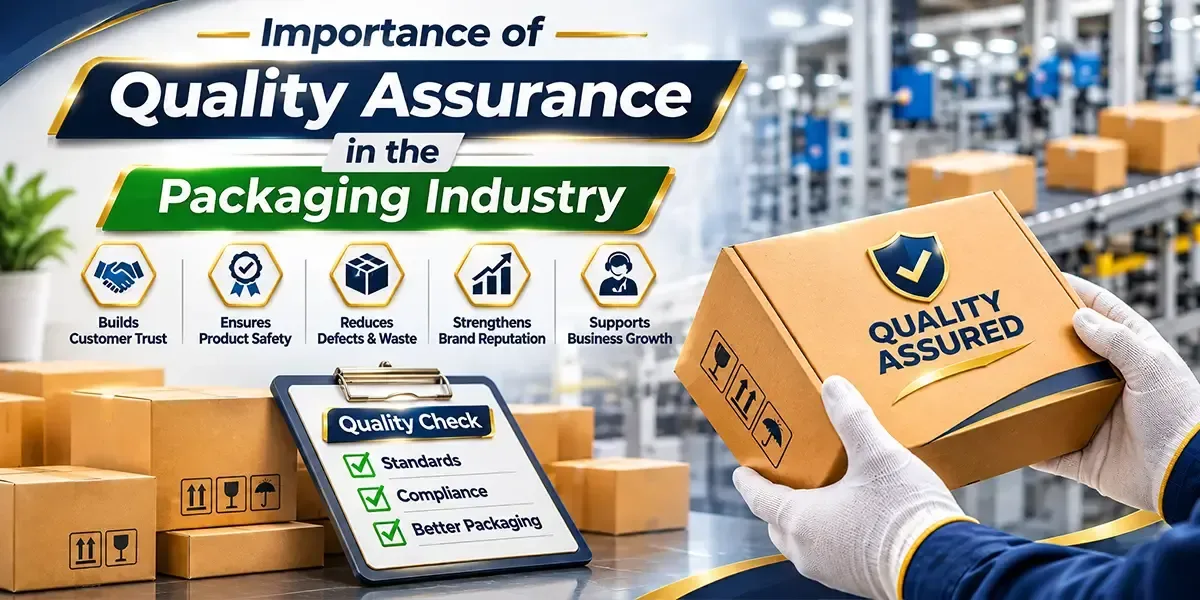
- What Is Quality Assurance (QA) in the Packaging Industry?
- Understanding the Difference Between QA and Quality Control
- Packaging Quality Inspection: Key Areas and Processes
- The Value of QA in Packaging and Its Impact on Businesses - You Must Know
- Protecting Customer Relationships From Recurring Quality Issues
- Conclusion: QA Is Essential for Reliable Packaging Production
Custom packaging quality depends on decisions made long before a finished package reaches the customer. The choice of the raw material, the printing method used, and other processes involved in the production process may affect the end product. Poor handling of these processes may result in low-quality packaging due to small errors in the production process.
Quality assurance enables packaging manufacturers to set standards and follow procedures that ensure their production stays within those standards. QA is not concerned just with inspecting the final product, but rather with managing quality during the entire manufacturing process. This allows companies to meet customer requirements, maintain consistency in production, and detect weak points.
But what does QA involve in the packaging industry, and why is it important for manufacturers? Let’s learn about that in this blog!
What Is Quality Assurance (QA) in the Packaging Industry?
Quality assurance (QA) refers to the planned procedures and systems used to ensure that packaging materials and manufacturing processes meet established quality requirements. It involves setting standards, controlling production methods, monitoring results, and addressing problems that could affect the final packaging.
For example, a manufacturer producing flexible custom bags may set requirements for film thickness, printing accuracy, and seal strength. QA ensures that these requirements are incorporated into production procedures and followed consistently.
Understanding the Difference Between QA and Quality Control
Many people confuse QA with quality control because both focus on packaging quality. However, they serve different purposes. The table below highlights the key differences to help you understand each term clearly and avoid confusing the two.
Quality Assurance (QA) | Quality Control (QC) |
Focuses on preventing defects during packaging production | Focuses on identifying defects in materials and finished packaging |
Establishes procedures and production standards | Uses inspections and tests to check product quality |
Includes supplier evaluation, staff training, and process planning | Includes seal-strength testing, print checks, and dimensional inspections |
Helps prevent recurring production problems | Identifies packaging that fails to meet specifications |
Takes place throughout the quality management process | Takes place at relevant inspection and testing stages |
Packaging Quality Inspection: Key Areas and Processes
The main areas of QA in packaging manufacturing include:
- Raw material selection: Ensuring that paperboard, plastic films, inks, adhesives, and other materials meet specifications.
- Supplier evaluation: Checking whether suppliers can consistently provide acceptable materials.
- Production procedures: Establishing appropriate operating methods and machine settings.
- Process monitoring: Tracking production conditions that may affect packaging quality.
- Inspection and testing: Verifying that packaging meets established requirements.
- Documentation and traceability: Maintaining records of materials, production batches, and test results.
- Corrective action: Investigating defects and addressing their underlying causes.
The Value of QA in Packaging and Its Impact on Businesses - You Must Know
QA affects much more than the final inspection of a package. It determines how reliably a manufacturer can meet product specifications, control production errors, protect packaged goods, and fulfil customer and industry requirements
Its importance becomes clearer when we examine the problems it helps prevent and the improvements it supports. Read further to learn about each of them.
Ensuring Every Packaging Batch Meets the Same Standards
Packaging manufacturers often produce the same boxes, pouches, or custom labels in large quantities and across multiple orders. Customers expect every batch to match the approved sample, but differences in raw materials, machine settings, cutting accuracy, or printing can lead to variations. QA helps manufacturers control these factors and maintain the required standards throughout production.
This includes checking:
- Box measurements: Ensuring the length, width, and height stay within the approved limits.
- Printing accuracy: Checking that logos, text, colors, and product details match the approved design.
- Material quality: Verifying that paperboard, plastic films, inks, and adhesives meet the required specifications.
- Seals and closures: Checking that packages close securely and protect the product as required.
Manufacturers can also inspect samples during production and compare them with approved specifications. If the same defect appears in multiple batches, production records can help identify its cause, whether it involves a machine setting, a material issue, or a manufacturing procedure.
Maintaining these standards helps businesses avoid differences between orders, reduce customer complaints, and deliver product packaging that meets agreed quality requirements.
Check Packaging Defects and Safety Risks Through Quality Checks
Packaging must protect products during storage, handling, and transportation. Weak materials, faulty seals, damaged closures, or incorrect labels can cause problems for both the product and the business selling it. Quality assurance helps identify these defects before the packaging reaches customers.
The checks depend on the type of packaging and the product it holds. For instance, custom glass bottle shipping boxes needs enough strength to withstand stacking and handling, while a pouch containing liquid needs secure seals to prevent leakage. Food and pharmaceutical packaging may also require specific material, hygiene, and labelling controls.
QA helps manufacturers check:
- Material strength: Testing whether boxes can withstand expected handling and stacking pressures.
- Seal integrity: Checking pouches and flexible packaging for weak seals or leaks.
- Product compatibility: Confirming that packaging materials are suitable for contact with the product they contain.
- Labelling accuracy: Verifying ingredients, usage instructions, warnings, batch codes, and other required information.
These checks are particularly important when packaging protects products that could be damaged, contaminated, or incorrectly used if the package fails. For example, a defective seal in food packaging may allow leakage or expose the contents to contamination, while an incorrect pharmaceutical label can lead to serious errors.
By identifying such problems during production, manufacturers can prevent defective packaging from reaching the supply chain and reduce the risk of damaged goods, product complaints, and costly recalls.
Preventing Errors in Production and Unnecessary Costs
A small mistake during manufacturing of custom boxes can affect far more than a few boxes or labels. If a cutting machine uses incorrect measurements, an entire batch of cartons may need to be remade. Similarly, a printing error discovered after thousands of labels have been produced can lead to wasted stock, missed deadlines, and extra expenses.
QA helps manufacturers catch these issues before they affect large quantities of packaging. Regular checks also make it easier to identify why errors occur, rather than repeatedly correcting the same problem.
The costs of poor packaging quality may include:
- Wasted raw materials
- Additional labour
- Production delays
- Customer-related expenses
The financial benefit of QA comes from preventing these losses. When manufacturers identify the cause of a defect and correct it at the source, they can reduce repeated errors instead of spending time and money fixing the same issue with every order.
Meeting Customer Specifications and Industry Requirements
Packaging orders often come with detailed customer instructions. A business may require specific box measurements, a particular board thickness, accurate product information, or a certain level of protection during shipping. If the final packaging fails to meet these requirements, the customer may reject the order even when the defect appears minor.
QA helps manufacturers check these requirements before production begins and verify that they are followed during manufacturing. Clear specifications also give production staff and inspectors a shared reference when assessing the finished packaging.
Industry requirements can add another layer of responsibility.
Packaging such as custom cosmetic boxes with logo, food boxes, medicine packaging, and other regulated products may need to comply with particular safety, labelling, hygiene, or material standards. The exact rules depend on the product, packaging type, and market where it will be sold.
Manufacturers may need to maintain records such as:
- Material inspection reports and supplier details
- Production batch numbers and inspection results
- Test reports for relevant packaging properties
- Records of defects and corrective actions
Standards such as ISO 9001 quality management systems, which provide a framework for managing and improving quality, can help businesses establish organized processes for their operations.
By keeping clear records and checking requirements throughout production, manufacturers can provide evidence of compliance, respond more effectively to customer audits, and reduce the risk of rejected orders.
Protecting Customer Relationships From Recurring Quality Issues
If a customer repeatedly receives boxes with incorrect measurements, faded printing, or weak closures, they may start questioning whether their supplier can reliably meet future orders. Over time, these problems can damage a business relationship and push customers toward other manufacturers.
What Happens When the Same Packaging Problem Keeps Occurring?
The customer may need to delay product shipments, request replacements, or spend additional money resolving issues that should have been prevented during production. For businesses working with tight schedules, repeated packaging errors can disrupt their own operations and affect their customers, too.
How Can QA Help Prevent This Issue?
- Compare inspection records and customer complaints to determine whether the same issue keeps appearing.
- Check whether the problem comes from raw materials, machine settings, printing procedures, or another part of production.
- Correct the cause and review subsequent production batches to check whether the change has worked.
When a packaging manufacturer takes these measures, customers have less reason to worry about the same issue affecting their next order. Reliable results, along with clear communication when problems arise, can help maintain customer confidence and protect long-term business relationships.
Reducing Material Waste and Printing Errors While Maintaining Packaging Quality
Packaging production uses raw materials such as paperboard, corrugated sheets, plastic films, inks, and adhesives. When materials are damaged, or production errors go unnoticed, these resources may end up as scrap instead of final packaging. Quality assurance helps manufacturers identify where material losses occur and correct the processes responsible for them.
Where Does Avoidable Material Waste Occur?
Cutting and Folding Errors
Incorrect machine settings or inaccurate cuts can leave customized boxes unusable. Checking measurements during production helps catch these errors before more sheets are wasted.
Printing Defects
Misaligned designs, smudged ink, and incorrect colors can make printed sheets unsuitable for an order. Checking initial samples before full production helps reduce the number of rejected sheets.
Damaged Raw Materials
Paperboard or plastic films may arrive with defects that affect their use in production. Inspecting materials before processing helps prevent unsuitable stock from moving through additional manufacturing stages.
Can QA Reduce Waste Without Affecting Packaging Performance?
Yes. The goal is to prevent avoidable production losses, not to cut material use at the expense of product protection. For instance, reducing the thickness of a shipping box without checking its strength could increase the risk of damage during transportation. Quality checks help manufacturers identify waste while ensuring that packaging still meets the required strength, durability, and protection standards.
Conclusion: QA Is Essential for Reliable Packaging Production
Quality assurance plays an important role in producing packaging that meets customer expectations, protects products, and follows industry requirements. From checking raw materials and printing accuracy to identifying production defects and reducing material waste, it helps manufacturers maintain quality throughout the manufacturing process.
Businesses that make QA part of their daily operations can prevent recurring errors, control avoidable costs, and maintain stronger customer relationships. Regular inspections, clear production standards, accurate records, and timely corrective action all contribute to better results.
For businesses looking for packaging that meets their product and branding needs, BoxLark offers custom packaging solutions with a focus on quality and customer requirements. By giving proper attention to packaging quality at every stage, manufacturers and businesses can work toward reliable results with every order.